

Stone Age cave paintings depicting ‘honey hunters’ and early historical rock paintings by Aborigines in Australia prove that humans have been collecting honey, a food produced by honey bees, for thousands of years. However, honey was not only used as a sweetener in food preparation, it also helped people hunt bears – as bait! In ancient Egypt, honey was considered the ‘food of the gods’ and a source of immortality. And in the Middle Ages, some of the healing properties of this thick, golden juice were already known.1)
According to the Council of the European Union, honey is ‘the natural sweet substance produced by Apis mellifera bees from the nectar of plants or from secretions of living parts of plants or excretions of plant-sucking insects on the ...’ 2)
Legal quotatoins are BORING!
Okay Fritz, then we will now continue with bees and flowers:
Honey bees collect nectar and honeydew, i.e. sugary flower sap and a secretion excreted by aphids, to produce their own food: forager bees suck the sticky liquids through their proboscis and store them in their honey stomach. When this is full after about 200 flowers, the forager bees return to the hive and hand over the secretion, now enriched with their digestive enzymes, to the hive bees. These first carry the juice around in their honey stomach and then pass it on to other hive bees. Each time it is transferred, additional amino acids, enzymes and other proteins are added and the moisture content of this so-called early honey is reduced. The various acids and enzymes also cause a conversion of the sugars contained in the nectar and honeydew and the formation of other substances that inhibit the growth of yeasts and bacteria.1)
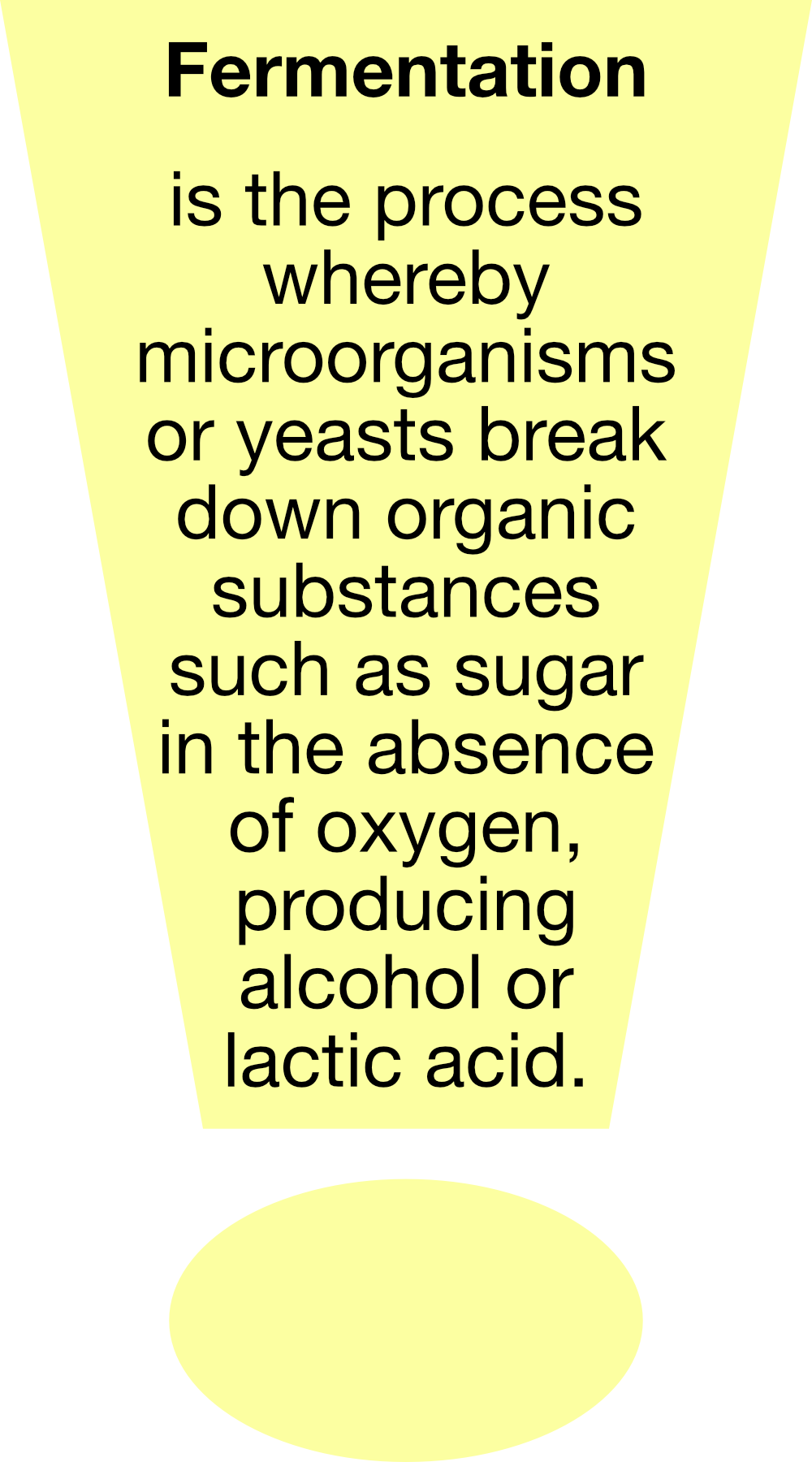
The processed nectar is distributed into empty honeycomb cells to create a large evaporation surface for further thickening of the still immature honey. The drying process is accelerated by fanning with the wings and increasing the ambient temperature. Only when the water content has been reduced to below 20% and the honey can no longer ferment are surpluses that are not needed at this time to feed the bee colony or raise the brood transferred to storage cells above the brood nest for storage and covered with a waterproof layer of wax.1)
By the way:
For beekeepers, the capping of the honeycombs is a sign that the honey is now ripe and ready to be harvested.
The finished honey serves as a food supply for the bees. The relatively long shelf life of most honeys is due to their high sugar and low water content, which prevents bacteria and other microorganisms from multiplying.1)
Let's continue with milk:
In the European Union, the term milk is defined as the normal secretion of the mammary gland of mammals, obtained by milking once or several times without any additives or extractions.3) However, the definition is even narrower for trade within the EU: only cow's milk may be labelled as ‘milk’. Milk from other mammalian species (e.g. goats, sheep, donkeys, camels) must also be labelled with the corresponding animal species. Milk substitute drinks made from plant products such as soya, almonds or oats, on the other hand, may not be sold as soya milk, almond milk or oat milk, even with an additive, according to EU case law, as they do not meet the above definition.
Put simply, milk is a white, cloudy emulsion of proteins, lactose, minerals and milk fat in water, which is produced in the mammary glands of mammals to feed their newborns.1) Milk production is triggered only by pregnancy and birth and must be maintained by regular milking or suckling by the calf. In order to obtain milk over a longer period of time, the cow must become pregnant every year and give birth to a calf. However, to allow the mother animal to regenerate, a dry period should be observed a few weeks before the birth of the next calf, during which the cow is no longer milked and her body can prepare for the birth. After calving, a new milk period begins, also known as lactation.4)
Eggs
An egg is a self-contained system enclosed by its shell, which is built around a female germ cell. It is formed at an early stage of the development of an egg-laying animal and, in addition to the protective ‘shell’, contains nutrients to nourish the embryo developing after fertilisation. When the nutrient supply is almost depleted by the growing organism, the egg stage ends with hatching. Despite numerous strategies employed by animals to protect their eggs and thus improve the survival rate of their species, sometimes the eggs do not hatch. Due to the nutrients they contain, eggs are also a sought-after food source for other animal species and humans.5)
When we talk about eggs as food, we usually think of chicken eggs – whether boiled, fried or used in cakes and other dishes. In the European Food Regulation (EC) No. 589/2008, the term ‘eggs’ is defined as ‘eggs in shell [...] that are produced by hens of the species Gallus gallus [...]’, i.e. the wild ancestor of the domestic chicken (Bankiva chicken).6)
However, the eggs of other animal species have also found their way into the human diet. They are labelled separately as foodstuffs. We enjoy quail eggs, fish eggs (e.g. sturgeon roe as caviar), goose eggs, ostrich eggs and duck eggs. But it is not only birds and some fish species that lay eggs. Most reptiles (e.g. snakes, lizards, crocodiles, turtles), amphibians and many insects hatch from eggs. Even among mammals, which by definition are viviparous because they feed their young with milk, i.e. ‘suckle’ them, there are two (or three) egg-laying exceptions, the so-called monotremes: the platypus and the echidna (short-beaked and long-beaked echidnas).
Another tip if you get lost in the wilderness and your food supplies are running low: keep an eye out for fresh eggs, because eggs provide more energy than the same amount of plant-based foods (such as berries or herbs) and are always non-toxic when they are fresh and their shells are intact!
HANDS OFF MY EGGS!
sh
Our next post will focus on food waste and helpful tips on how to reduce it in private households.
References:
1) Cf. Wikipedia, 2025: Honey, taken from the internet on 01.12.2025, https://de.wikipedia.org/wiki/Honig
2) Official Journal of the European Communities, 2002: COUNCIL DIRECTIVE 2001/110/EC of 20 December 2001 relating to honey, ANNEX 1, Point 1, taken from the internet on 02.12.2025, https://eur-lex.europa.eu/legal-content/EN/TXT/PDF/?uri=CELEX:32001L0110
3) Bundesamt für Justiz, 2025: Gesetz über Milch, Milcherzeugnisse, Margarineerzeugnisse und ähnliche Erzeugnisse (Milch- und Margarinegesetz), § 2 Begriffsbestimmungen, taken from the internet on01.12.2025, https://www.gesetze-im-internet.de/milchmargg/__2.html
4) Bundesinformationszentrum Landwirtschaft, 2025: Gibt die Kuh auch ohne Kalb Milch?, taken from the internet on 02.12.2025, https://www.landwirtschaft.de/tier-und-pflanze/tier/rinder/gibt-die-kuh-auch-ohne-kalb-milch
5) Cf. Wikipedia, 2025: Eggs, taken from the internet on 02.12.2025, https://de.wikipedia.org/wiki/Ei
6) Official Journal of the European Union, 2008: COMMISSION REGULATION (EC) No 589/2008 of 23 June 2008, Article 1, Definitions, lit. k), taken from the internet on 02.12.2025, https://eur-lex.europa.eu/legal-content/EN/TXT/PDF/?uri=CELEX:32008R0589