


- Details
- Category: Miscellaneous
For many people, a hot cup of coffee, tea or cocoa in the morning is the perfect way to start the day. However, whether the reason for this is the special flavour of these hot drinks or rather the stimulating effect of the caffeine or theobromine they contain is something that everyone can only answer for themselves.
- Details
- Category: Miscellaneous
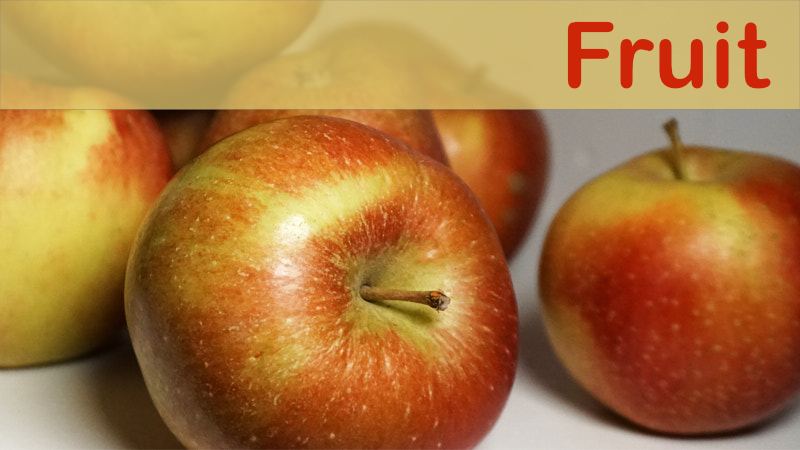
Fruit refers to edible fruit and seeds, usually eaten raw, from mainly perennial shrubs and trees. In contrast to vegetables, fruit tastes pleasantly sour to sweet as it has a higher sugar content. However, it is not always possible to clearly categorise some foods.
- Details
- Category: Miscellaneous
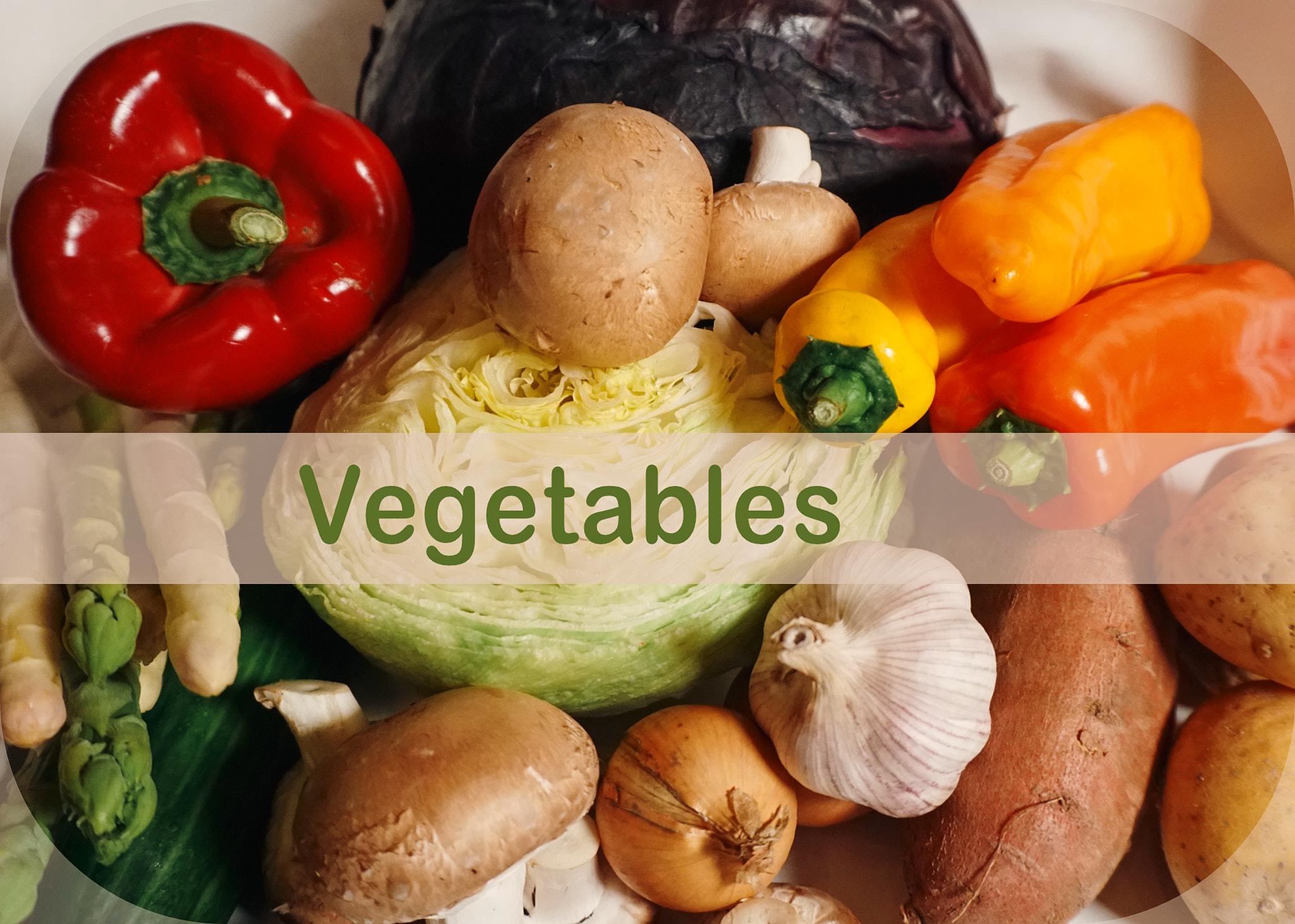
The general term vegetables refers to all plant parts suitable for human consumption (e.g. leaves, fruits, tubers, stems) of herbaceous, wild or cultivated plants that are mainly consumed in a cooked state.1a)
- Details
- Category: Miscellaneous
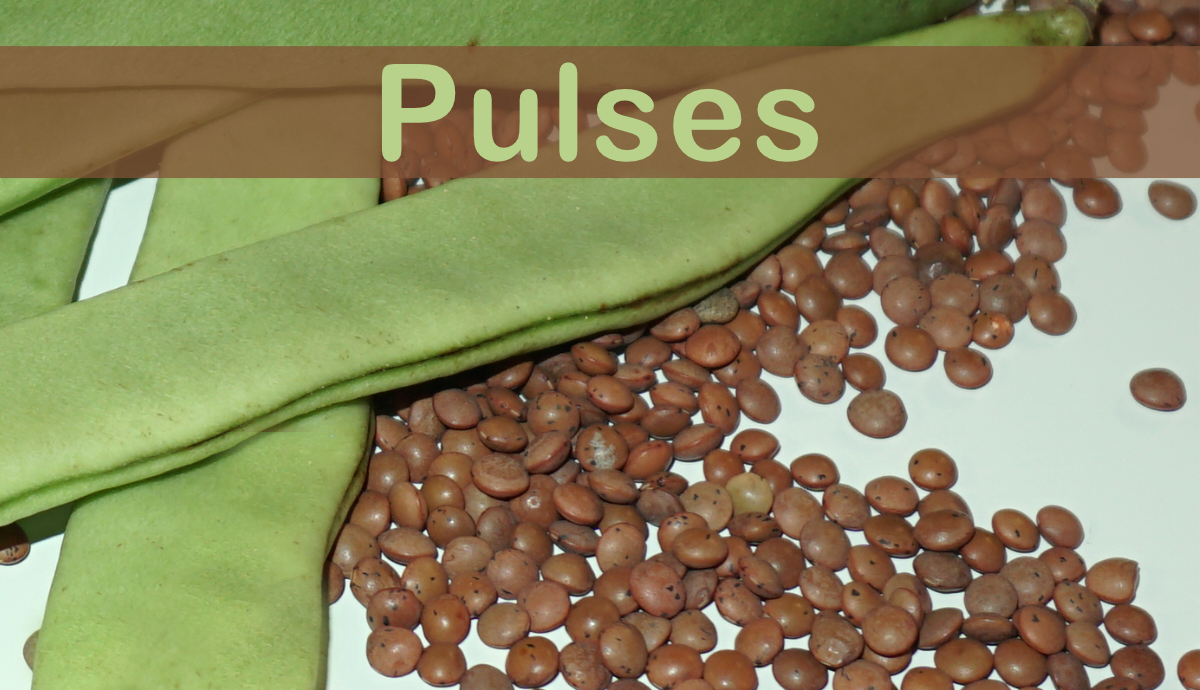
Pulses, botanically known as Leguminosae or Fabaceae, are ripe, dried seeds of papilionaceous plants that ripen in so-called fruit pods, such as beans, peas and lentils.1)
- Details
- Category: Miscellaneous
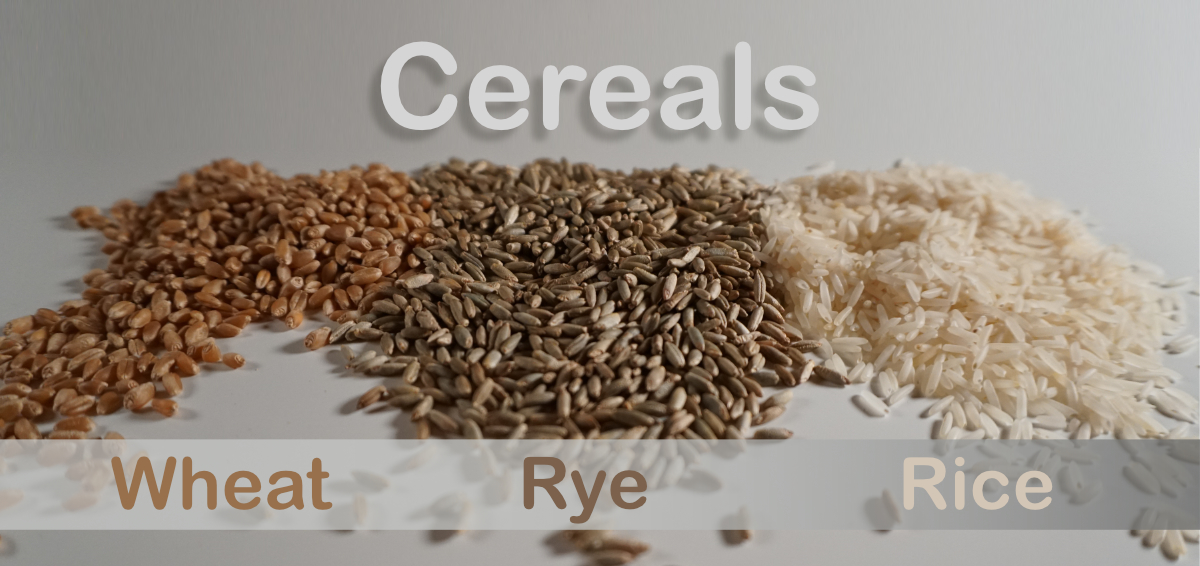
The word cereal means "that which is carried". This refers to the grains of grasses.1a) The grain is therefore a fruit, not a seed, and its outer shell is the fruit skin.

- Details
- Category: Miscellaneous
Water is the basis of all life on earth. Whether as drinking water, energy source, transport medium, raw material or as a habitat for a multitude of plants and animals in streams, rivers, lakes, wetlands or seas - water is an important, if not the most important resource on our planet.
- Details
- Category: Miscellaneous
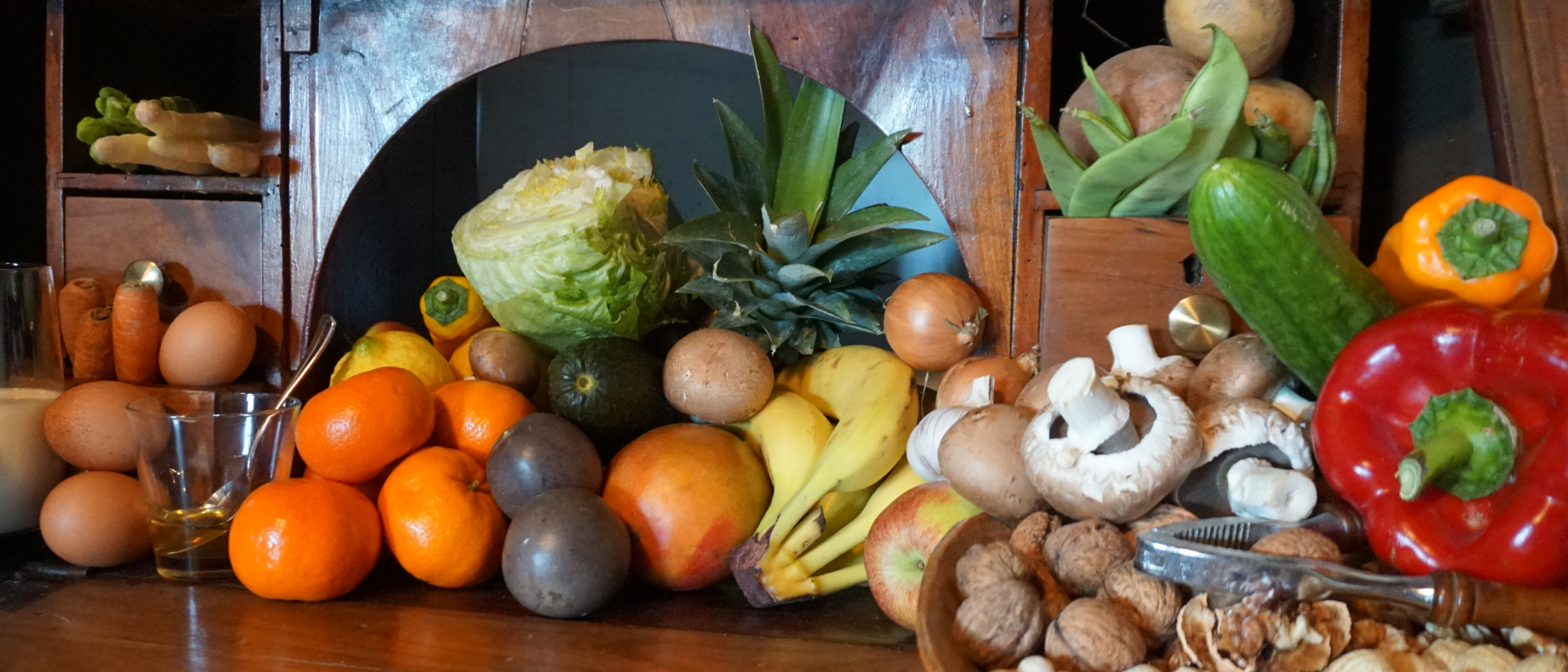
Having first defined the term food in previous articles and differentiated the German term "Lebensmittel" from the often synonymously used term "Nahrungsmittel", we will now give a rough overview of the various food groups and subgroups.